
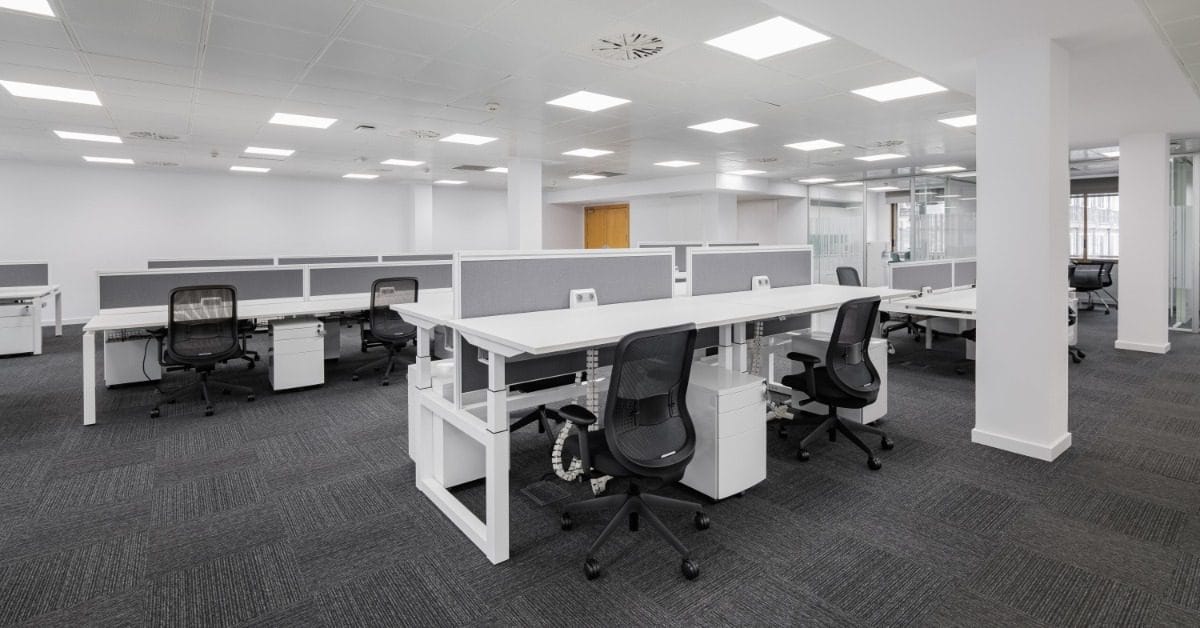
Employee turnover often starts with daily frustrations that leaders may not see right away. When employees spend long hours in chairs that do not support their bodies, the workday can feel harder than it should. Businesses that invest in better seating show employees that comfort matters as much as output. In many offices, ergonomic office chairs reduce employee turnover by helping employees feel supported and better able to do their work.
Why Comfort Matters in Employee Retention
Employees notice when their workplace makes their job easier. They also notice when it makes their job harder. A poorly designed chair can lead to stiffness, poor posture, and persistent discomfort throughout the day. Over time, those problems can turn an ordinary work routine into a source of stress.
Many employees will not initially connect their frustration to a chair. They may feel drained by midafternoon or less motivated near the end of the week. They may struggle to focus during computer work because they keep shifting in their seat. When that pattern continues, the workplace starts to feel less supportive.
Comfort does not replace fair pay or strong management, but it still plays an important role in retention. Employees want to work in spaces that respect their time and physical well-being. A quality chair gives workers the support they need to stay focused without fighting discomfort all day.
The Real Cost of Losing Good Employees
Turnover affects more than the person who leaves. When an employee resigns, the business must shift work, train someone new, and protect productivity during the transition. Managers spend time reviewing candidates instead of focusing on operations. Team members may also feel pressure when they cover extra duties.
These challenges can affect morale across the office. Employees may become frustrated when turnover disrupts normal workflows. They may also question whether the company understands what workers need to stay engaged.
Ergonomic office chairs will not solve every retention issue, but they can remove a common source of daily strain. Employees who feel better at their desks can often work with more patience and focus. That support can help reduce workplace frustration before it pushes people to consider leaving.
How Ergonomic Chairs Support Better Workdays
Ergonomic chairs help employees sit in a healthier position throughout the day. Adjustable seat height allows workers to place their feet comfortably on the floor. Lumbar support helps the lower back maintain a more natural posture. Arm adjustments can reduce shoulder strain during typing and phone work.
These features matter because employees do not all sit the same way. A chair that fits one person may not work for another. Ergonomic seating gives each employee more control over how they sit, which can make long workdays feel more manageable.
Better support can also improve concentration. When workers feel uncomfortable, they spend mental energy trying to relieve tension. They may stretch often, lose focus, or leave their desk more than needed. A supportive chair helps reduce those distractions so employees can stay present with their work.
Employee Wellness Builds Workplace Loyalty
Employees often judge a company by what leadership chooses to prioritize. When a business invests in employee comfort, workers see a practical sign of care. That decision can strengthen trust by improving something employees experience every day.
A healthier workspace can also support a stronger sense of belonging. Employees want to feel that their employer thinks about their needs before problems become serious. An ergonomic chair sends a simple message: the company wants people to feel good while they work.
This message matters in a competitive hiring market. Employees have more reason to stay when their workplace feels organized, comfortable, and built around real needs. They may not talk about office chairs in a resignation letter, but poor comfort can still shape how they feel about the job.
The ROI of Ergonomic Office Chairs
The return on ergonomic seating often comes from fewer disruptions and stronger day-to-day performance. When employees feel comfortable, they can pay more attention to their tasks. They may also maintain a steadier pace because they do not have to work around pain or fatigue.
Businesses often think about office furniture as a one-time purchase. However, chairs affect the workday for years. A low-quality chair may cost less upfront, but it can create frustration that spreads across the team. A better chair supports employees every time they sit down to answer emails, handle calls, or focus on detailed projects.
That daily impact gives ergonomic seating long-term value. Companies can reduce avoidable discomfort while improving the employee experience. When workers feel supported, they often show more patience with demanding tasks and more confidence in their workplace.
Better Seating Can Improve Company Culture
Company culture grows from everyday choices. It includes how leaders communicate, how teams collaborate, and how the office feels during a normal day. Furniture may seem like a small detail, but employees interact with it for hours at a time.
An outdated or uncomfortable chair can make a workspace feel neglected. A supportive chair can make the same space feel more professional and thoughtful. Employees often respond well when they see leadership improving the office in ways that directly benefit them.
Better seating can also help managers create a more consistent work environment. Teams can stay focused when they do not have to deal with constant discomfort. That consistency supports stronger habits, smoother communication, and better morale across the workplace.
Choosing Chairs That Support Retention Goals
Businesses should choose ergonomic chairs with adjustability and durability in mind. Employees need chairs that can adapt to different body types and work styles. A supportive chair should help workers sit comfortably through computer tasks, meetings, and focused desk work.
Quality also matters. Office chairs are used daily, so they need to hold their shape and support well over time. A chair that breaks down quickly can create the same comfort problems the company wanted to solve.
Leaders should also consider how chairs fit the overall office layout. Seating should support the way employees move through their day. The right choice can make individual workstations feel more comfortable while helping the whole office look more professional.
A Smarter Investment in Employee Retention
Employee retention improves when businesses pay attention to the daily experience of their teams. Comfortable seating can reduce physical strain, support focus, and show employees that their well-being matters. That kind of investment helps create a workplace where people feel respected and more willing to stay. Over time, ergonomic office chairs reduce employee turnover by making the office a healthier and more supportive place to work.
Capital Choice Office Furniture has commercial office chairs for businesses that want to improve comfort and create more functional workspaces. We offer new and pre-owned options for companies that need practical seating solutions. Our team can help businesses choose ergonomic office chairs that support employees throughout the workday. Browse our selection to find the right solution for your office.
Have a question this did not answer?
Call 614.332.1828 and ask a person. We have been doing this for twenty years and we will give you a straight answer.