
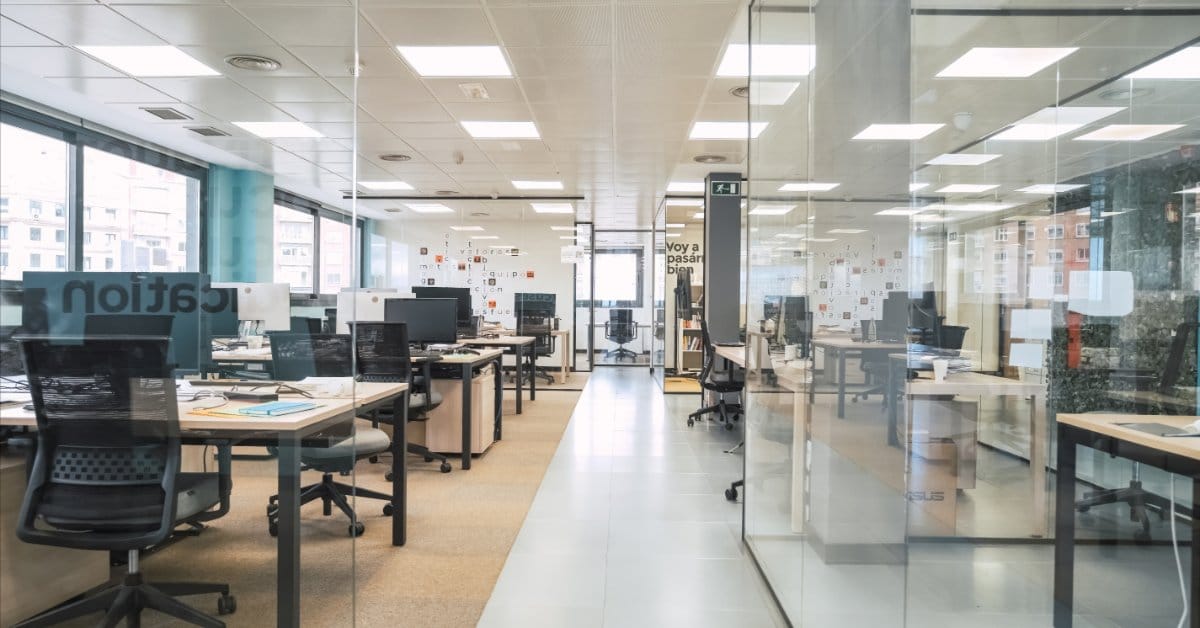
Quick answer: To design an office layout that reduces distractions, separate quiet work from team areas, turn desks away from doors and walkways, pick divider heights that match the work, move printers and supplies to a central spot, and choose adjustable chairs and desks that keep people comfortable all day.
A busy office makes simple tasks feel hard. Ringing phones, nearby conversations, and constant movement pull people away from their work. The right layout helps your team focus without making the office feel closed off. It starts with knowing how your team works each day. With the right furniture and a practical floor plan, you can build a space where people talk when they need to and concentrate when it counts.
What Distracts Employees Most in an Office?
Noise, foot traffic, and interruptions from coworkers distract employees the most. Before you move a single desk, watch how people work. Notice where conversations start and which desks sit next to busy walkways. Then ask your team what breaks their focus most often.
Different jobs need different surroundings. Someone who makes private calls needs more separation than a teammate who works closely with others. A good layout supports both kinds of work instead of forcing everyone into the same setup.
Watch when distractions happen, too. A meeting room might stay quiet all morning and get loud after lunch.
How Do You Set Up Quiet Zones in an Open Office?
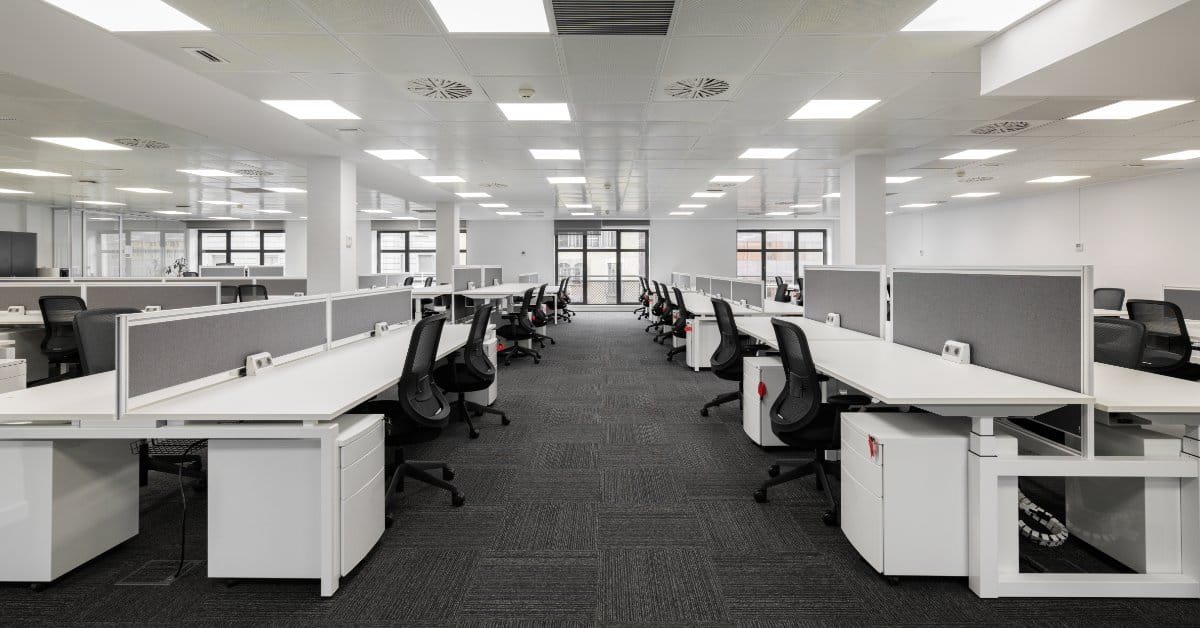
Give each area of the office one job. Put focused work in one zone and team activity in another, even in an open office. Seat collaborative teams where they can talk without bothering people who need long stretches of quiet. Keep meeting spaces away from desks whenever your floor plan allows.
Quiet zones don't need separate rooms. Create a calmer corner with desks that face away from heavy foot traffic. Then put shared tables somewhere else so conversations have a natural home.
Make each zone easy to spot. When people know where to take a call or hold a quick huddle, they respect the people working nearby.
Where Should You Place Desks to Reduce Interruptions?
Face desks toward a wall, a window, or a low-traffic area whenever you can. People who face a doorway look up every time someone walks in. People who sit beside a printer hear it all day long.
Leave enough room for people to walk past without brushing seated coworkers. The ADA sets 36 inches as the minimum clear width for an accessible route, so treat that as your floor for walkways. Busy main paths need more room so two people can pass.
Think about how coworkers interact before you pick a desk arrangement. Some teams work best facing each other, while others need a little more space. Capital Choice Office Furniture carries new and pre-owned desks to fit either setup.

What Height Should Office Dividers Be?
Match divider height to the work. Open offices encourage conversation, but they also make every movement noticeable. Cubicles and desk dividers create visual boundaries that help people settle into their tasks.
- About 42 inches: Seated coworkers can still see and talk to each other. This height works well for teams that collaborate all day.
- About 53 inches: Seated employees get privacy, but people standing can see over the top.
- 65 inches or taller: Panels block the view even for people standing. This height suits detailed, heads-down work.
Dividers block what people see, but voices still carry over them. Pair them with smart desk placement and clear rules about where conversations belong. On a tight budget? Pre-owned cubicles come in these heights too.
How Do You Reduce Noise in an Open Office?
Move the loudest activities away from focused work areas. Office noise comes from more than conversations. Rolling chairs, doors, and shared machines interrupt people at random moments, so find the loudest spots first.
Add soft surfaces. Rugs, upholstered seating, and fabric panels absorb sound instead of bouncing it around the room.
Give people a place to talk freely. A small meeting area keeps quick discussions from spreading across rows of desks. For private calls, a privacy pod creates a quiet spot without building a new room.
What Furniture Helps Employees Focus?
Comfortable, adjustable furniture helps people focus, because discomfort becomes a distraction of its own. An employee who keeps shifting in a bad chair has a hard time staying engaged. Ask your team which adjustments would help them most.
Look for office chairs that adjust for seat height and back support. Pick desks with enough room for essential equipment without crowding the work surface.
Visit the Capital Choice Office Furniture showroom in Columbus to compare options in person. Sitting in a chair and seeing a workstation up close makes it easier to choose pieces that fit your people and your space.
Where Should Printers and Shared Supplies Go?
Put printers, storage cabinets, and supplies in a central spot away from quiet desks. These items draw repeat visits. Place them beside someone's desk, and that person deals with interruptions all day.
Think about where people naturally walk. A direct path to supplies lets people grab what they need without crossing several workstations.
Storage also cuts visual clutter. Filing cabinets and organized shelves give paperwork a home so it doesn't pile up on desks.
How Do You Reduce Screen Glare at Work?
Turn monitors so the screen sits at a right angle to windows. OSHA recommends this setup to cut glare. Bright glare on a screen makes it harder to concentrate, and poor lighting leaves people shifting in their seats all day.
Check how sunlight and overhead lights hit desks at different times of day. Window blinds let people control strong sunlight without blocking all natural light.
Pay attention to what people see from their seats, too. A desk beside a busy hallway invites constant visual interruptions. A small turn of the desk can make the whole area feel calmer.
How Do You Plan an Office Layout That Can Grow?
Leave room to add workstations without blocking walkways or crowding quiet zones. A layout that works today needs updates as your team grows. Review your floor plan whenever staffing or daily routines change, and don't fill every open corner right away.
Modular furniture makes changes easier because you can rearrange pieces as needs shift. Before you buy add-on components, check that the dimensions and parts match what you already own.
Capital Choice Office Furniture offers office design services for businesses in Columbus and the surrounding area. We create a free 3D drawing of your office layout before you buy, so you can see where every workstation goes. Our own crews handle delivery and installation.
Distraction-Free Office Layout Checklist
- Ask your team what interrupts their focus most.
- Separate quiet work zones from team and meeting areas.
- Face desks away from doors and busy walkways.
- Keep walkways at least 36 inches clear.
- Choose divider heights that match each team's work.
- Add rugs, upholstered seating, and fabric panels to soften noise.
- Give people a spot for calls and quick conversations.
- Move printers and supplies to a central area.
- Turn monitors at a right angle to windows.
- Leave room in the floor plan to grow.
Frequently Asked Questions
What is the best office layout for focus?
The best layout for focus separates quiet work from team activity. Put focused workers in a zone away from meeting areas, printers, and main walkways, and face their desks toward walls or windows instead of doors.
Do cubicles reduce distractions?
Yes, cubicles reduce visual distractions. Panels about 53 inches tall give seated employees privacy, and panels 65 inches or taller block the view for people standing. Cubicles don't stop sound, so pair them with soft surfaces and a set place for conversations.
How do you reduce noise in an open office without walls?
Move loud activities away from focused work, add soft surfaces like rugs and upholstered seating, and give people a separate area for calls and conversations. Privacy pods create a quiet space without new construction.
Can pre-owned furniture work in a distraction-free layout?
Yes. Pre-owned cubicles, desks, and chairs follow the same layout rules as new furniture. Capital Choice Office Furniture can blend pre-owned pieces with new ones to fit your design and your budget.
Does Capital Choice Office Furniture help plan office layouts in Columbus?
Yes. Capital Choice Office Furniture provides office design services in Columbus and central Ohio, including a free 3D drawing of your layout before you buy. Call (614) 332-1828 to get started.
Build a Workplace Where Focus Comes Naturally
An office layout that reduces distractions comes from smart choices about how people move and work. Start with the biggest interruptions, then adjust your layout and furniture one step at a time. As a commercial office furniture dealer in Columbus, Capital Choice Office Furniture offers new and pre-owned furniture plus office design services.
Visit our showroom at 1517 Alum Industrial Dr N, Columbus, OH 43209, weekdays 9 to 5. You can also call (614) 332-1828 or request a free quote online.
Have a question this did not answer?
Call 614.332.1828 and ask a person. We have been doing this for twenty years and we will give you a straight answer.